
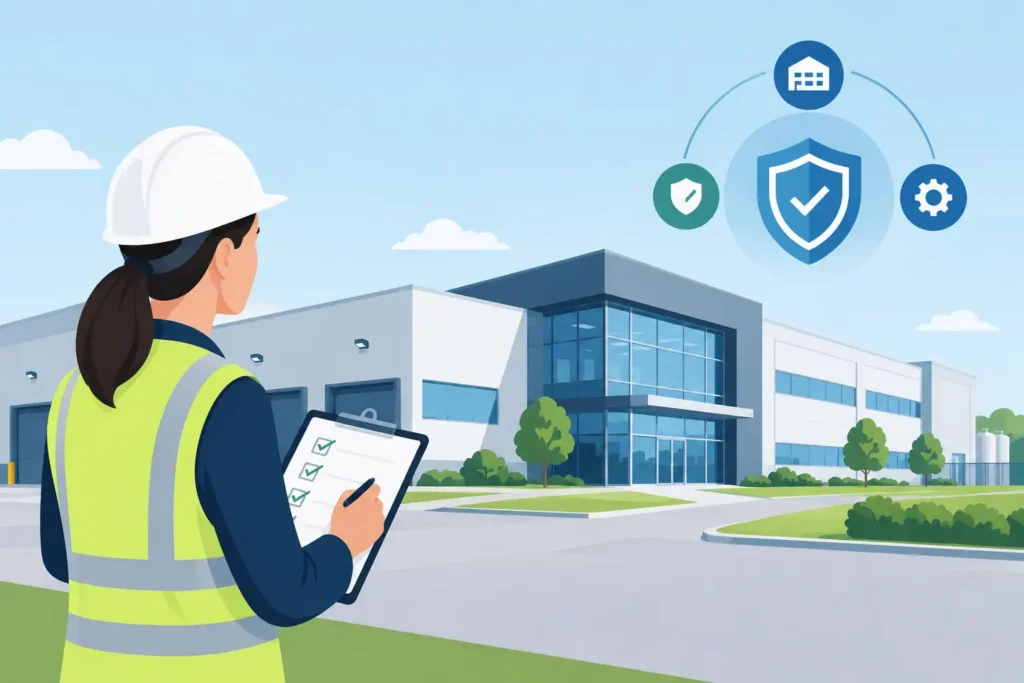
A training organisation can have its policies, assessment records and student files in order, yet still create doubt during a site visit if the facility looks neglected. RTO audit readiness is not just a documentation exercise. The condition of reception areas, training rooms, amenities and shared spaces contributes to the overall impression of how well an RTO is managed.
For RTO operators, a clean site supports more than presentation. It helps create a safe, comfortable environment for learners and staff, reduces day-to-day distractions, and shows that operational standards are being maintained consistently. Cleaning will not replace compliance systems, but it can strengthen the confidence those systems are intended to create.
RTO audit readiness is visible from the front door
An auditor may be focused on evidence against standards, but they are still visiting a working education environment. The experience starts before a meeting begins. A tidy entry, clean glass, clear walkways and a welcoming reception area suggest care and organisation. Overflowing rubbish bins, marked floors or poorly maintained amenities can send the opposite message.
This is not about making a facility look artificially polished for one day. It is about maintaining a dependable standard that reflects the way your organisation operates throughout the year. Students, trainers, employers, visitors and auditors should all see the same professional environment.
For many RTOs, premises are also a practical part of service delivery. Training rooms need to be ready for classes, shared equipment areas need regular attention, and amenities need to be hygienic and stocked where this forms part of the agreed service. When these basics are handled properly, staff can focus on learners and compliance requirements rather than chasing cleaning issues.
What a clean training environment supports
A scheduled commercial cleaning service supports several areas of RTO operations at once. The value is not simply in a cleaner-looking site. It is in reducing avoidable friction across a busy training week.
A well-maintained facility can support health and safety by addressing dust, spills, rubbish and high-touch surfaces before they become a larger issue. It can support learner experience by providing clean, comfortable spaces where people can concentrate. It can also support staff morale, particularly in offices and trainer workspaces where presentation and hygiene affect everyday productivity.
There is also a reputational benefit. Prospective students and employers often form an opinion of an RTO quickly. The condition of the site helps communicate whether the organisation is attentive, reliable and ready to deliver quality training. This matters just as much on an ordinary Tuesday as it does during an audit.
Different spaces need different attention
Not every RTO site has the same cleaning requirements. A small professional training office may need detailed cleaning of meeting rooms, workstations, kitchens and amenities. A larger campus may require regular attention across classrooms, corridors, reception areas, breakout spaces and multiple bathrooms.
Some organisations deliver hands-on training and may have additional site-specific requirements. These could include more frequent rubbish removal, cleaning around practical training areas, or a schedule that works around evening classes and weekend programs. The right approach depends on the type of training delivered, the number of people using the site and how often rooms turn over.
A standard checklist can be a useful starting point, but it should not be treated as the whole solution. A cleaning provider should understand how the facility is used and adapt the scope where needed.
Build cleaning into your audit preparation plan
Leaving cleaning until the final week before an audit creates unnecessary pressure. A last-minute deep clean can improve presentation, but it cannot correct months of inconsistent upkeep or identify recurring issues in time to address them properly.
A better approach is to include facility presentation in regular operational checks. Review the condition of your main entry, reception, training rooms, amenities, kitchens, staff areas and external approach. Look at the site through the eyes of a new learner or visitor. Are floors clean? Are high-touch surfaces being attended to? Are bins managed? Is there clutter that makes rooms harder to inspect or use?
It also helps to clarify responsibilities. Your team may be responsible for keeping desks clear, storing training materials and reporting maintenance problems. Your cleaning provider may be responsible for the agreed routine cleaning tasks, with additional duties available when required. Clear boundaries prevent small issues from being assumed to be someone else’s job.
For audit periods, discuss timing early. You may want an additional clean before a scheduled site visit, particularly after a busy training block or before an important enrolment period. This does not need to disrupt normal operations. Flexible scheduling, including after-hours cleaning where appropriate, can help keep classrooms and offices ready without interrupting learners or trainers.
Consistency matters more than a one-off clean
The strongest cleaning arrangements are built around a clear scope, a realistic frequency and regular accountability. A site cleaned thoroughly once but allowed to decline between visits will not deliver the same result as a consistent programme tailored to the space.
Frequency depends on foot traffic and use. Amenities and reception areas often need more frequent attention than a rarely used meeting room. High-volume classrooms may need cleaning scheduled around daily classes, while smaller sites may be well served by fewer visits with periodic additional work. There is no single schedule that suits every RTO.
Quality checks also matter. If a cleaner cannot attend, if a room has been used unexpectedly, or if a particular area needs additional attention, communication should be straightforward. A reliable provider will treat these requests as part of supporting your operations, not as an inconvenience.
At Newcastle Cleaning Co., trained staff check in and out at each site using technology, providing an added level of accountability for commercial clients. This can give facility managers greater confidence that scheduled services have been attended as agreed, particularly when cleaning is completed outside business hours.
Choose a provider that understands operational risk
Price is naturally part of any decision, but the lowest quote can become costly if standards are inconsistent, communication is poor or extra work leads to unexpected billing. For an RTO, dependable service is often more valuable than a nominal saving that creates ongoing management work.
Ask practical questions during the inspection and quoting stage. Does the provider take time to understand your timetable and site layout? Can the cleaning schedule be adjusted around classes? Are staff trained, reliable and appropriately checked for education settings where required? Is the scope clear enough that both parties understand the expected result?
Fixed-price, end-result billing can be especially useful for facility managers who need certainty around their routine cleaning costs. Rather than monitoring hours, the focus remains on whether the agreed areas are clean, hygienic and ready for use. That is the outcome an RTO needs to manage.
It is equally sensible to ask how additional requests are handled. Training sites change. A classroom may be used for a special event, an intake may increase foot traffic, or an area may need extra attention after maintenance work. A responsive provider should be able to accommodate reasonable site-specific duties with clear communication.
Keep the facility ready between formal audits
Audit readiness works best when it becomes part of ordinary site management. Record and address maintenance concerns promptly, keep cleaning schedules current, and encourage staff to report issues before they become visible problems. Small habits make the biggest difference over time.
A clean, organised RTO facility does not prove compliance on its own. What it does show is that the organisation takes its environment, learners and operational responsibilities seriously. That reassurance carries weight with everyone who walks through the door.
If your current cleaning arrangement is creating more follow-up than confidence, an on-site inspection can help identify a practical schedule and scope that keeps your training environment consistently ready – not just ready for audit day.